Three Types of Pumpkins
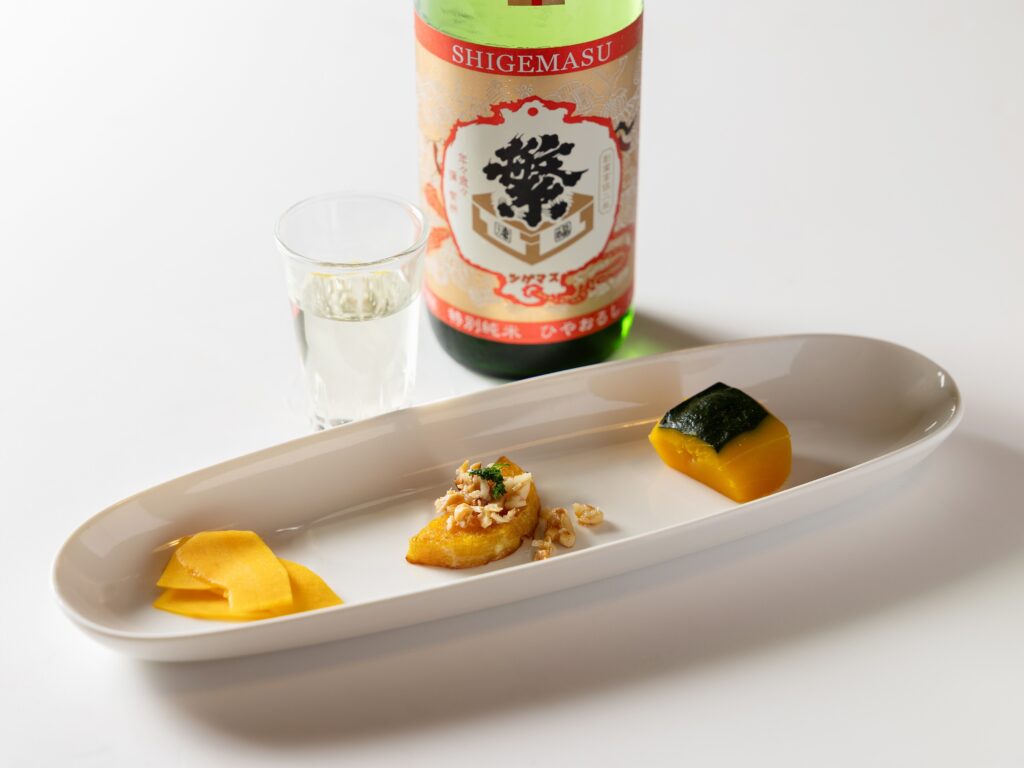
We’ve prepared three different varieties of pumpkin. Please enjoy the differences in their sweetness.
The transition from summer to fall is happening little by little. The key to staying healthy during this seasonal shift is, of course, to help your stomach recover from the summer heat and the exhaustion caused by overindulging in cold foods. With “the season of appetite” just around the corner—a time when so many delicious foods are available—it would be a shame to have a weak stomach. Before preparing for winter, let’s eat foods that will revitalize our stomachs. Of course, don’t overeat.
(Recipe by: Yame Saheho)
Ingredients: Easy-to-make quantities
●Colinkey's Dill Marinade
1/4 collard green
3 tablespoons of light soy sauce
2 tablespoons of vinegar
Dill, 2 sprigs
How to Make It
1. Remove the skin, seeds, and core from the collard greens and slice them. Mix light soy sauce and vinegar, combine with the collard greens, add dill to a plastic bag, squeeze out the air, and seal it tightly. Let it sit for 1 hour, and it’s ready to eat.
●Butternut Squash with Butternut Sauce
Butternut squash 1/4 of a squash
Your favorite nuts 20 g
Butter 20 g
Salt and pepper to taste
1 tablespoon of oil
How to Make It
1. Peel the butternut squash, remove the seeds, and cut it into rounds or half-moons about 7 mm thick. Coarsely chop the nuts.
2. Heat oil in a skillet. Once hot, cook the butternut squash on both sides until browned. Season with salt and pepper as you cook.
3. Once the butternut squash is roasted, remove it from the pan. Add butter to the same pan and heat it. When the butter has melted and turned slightly golden, add the chopped nuts and season with salt and pepper. Pour the butternut sauce over the butternut squash on a plate, and it’s ready to serve.
● Simmered Chestnut Squash
1/4 chestnut squash
Dashi, 200 cc
Light soy sauce, 20 cc
How to Make It
1. Remove the seeds and pulp from the chestnut squash, cut it into bite-sized pieces, and trim the edges.
2. Pour the dashi and light soy sauce into a pot, bring to a boil, then add the pumpkin and cook over medium heat for 8 minutes. It’s ready.
*You can also add cinnamon if you like—it makes it even more delicious.
Grocery List
☆Pumpkin: It’s long been said that eating pumpkin on the winter solstice prevents colds. It’s clear that, before medical advances, it was considered a superb source of nutrition. Pumpkins are rich in vitamins A, C, and E. Together, these three are called “Vitamin Ace.” The name sounds a bit like “Ultraman” from way back, or maybe a pirate from not too long ago. That aside, these three vitamins have excellent antioxidant properties and help repair damage to the body. Combined with their ability to purify the blood, it’s clear why they’ve been eaten to boost vitality and prevent colds. In the context of medicinal cuisine, they help boost stomach qi, aiding in recovery from fatigue and increasing physical strength. Furthermore, it’s arguably the only vegetable with “gua” (melon) in its name that has a “warm” nature, meaning it warms a chilled stomach and helps restore its function. Now more than ever, when we want to revitalize our stomachs, it might be tempting to say “Ugh!” when faced with its tough texture—but let’s spend this fall enjoying pumpkin, which, despite the effort required to cut it, is packed with delicious flavor and energizing power.
The Collinkey used in this recipe is a salad squash that can be eaten raw. Butternut squash is a type of squash shaped like a peanut or a gourd, with a slightly denser, creamier texture. Both are members of the Pepo genus. Kurikabucha is a type of Western squash with a fluffy, crumbly texture; it is the most widely cultivated squash in Japan.